


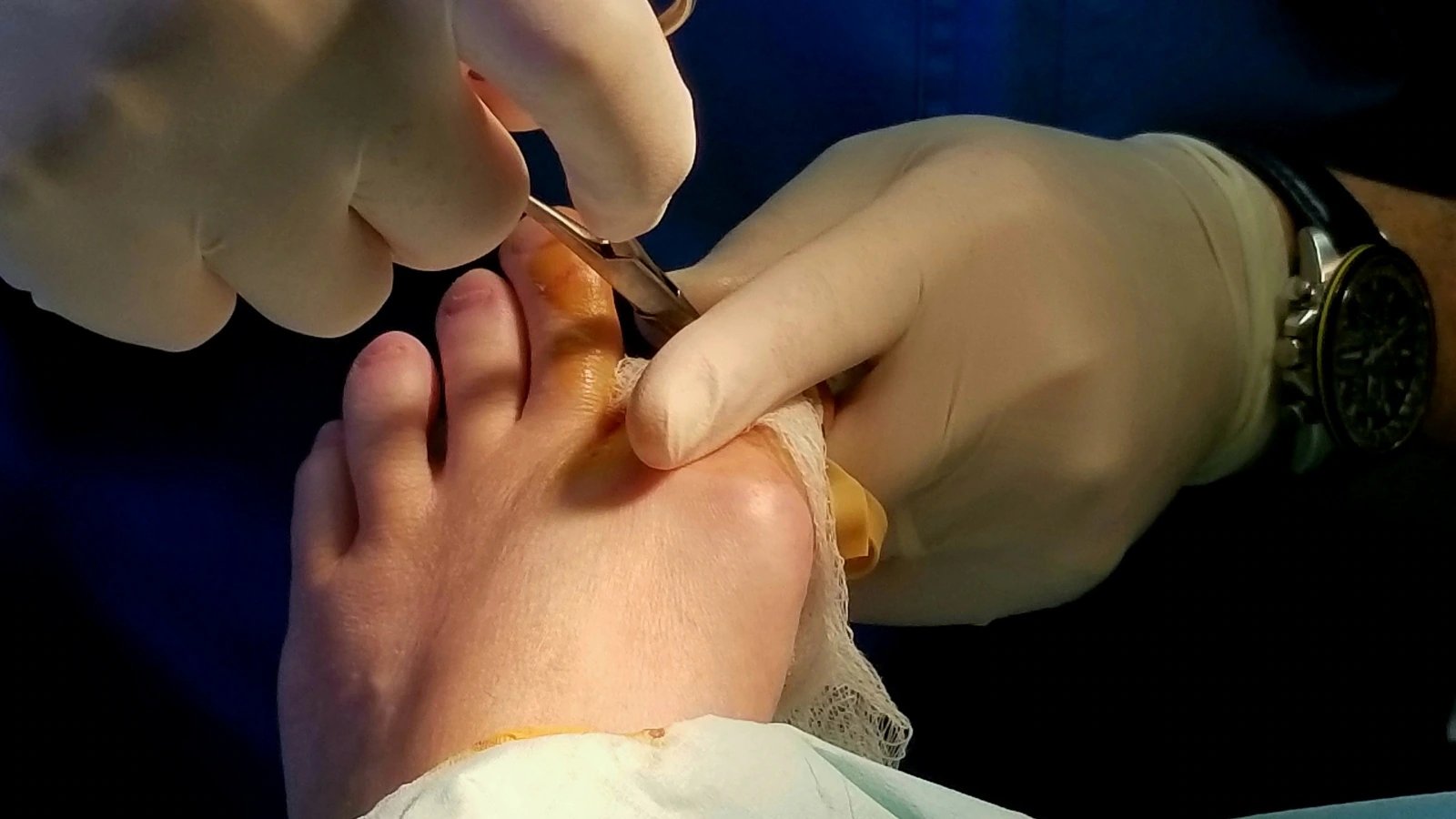
For diabetics, proper foot care is extremely important, and even the slightest carelessness can lead to extreme consequences. Diabetologist Dr Mohammed Saqlain, Founder of TrueCare Hospitals, shared a shocking case on Instagram, which highlighted how silently and quickly a diabetic foot injury can turn dangerous.
In his post, Dr Saqlain explained how a 56-year-old diabetic man developed a small cut on his toe from new shoes, probably a regular shoe bite, which often gets ignored. The patient made the seemingly small mistake of hiding the wound from his family for three weeks. “I didn’t want to burden them. They already worry too much about my sugar,” the man told him. But by the time the family finally saw his foot, it had turned black, swollen, and infected. By the time the team approached Dr Saqlain, the infection had spread aggressively, and the patient’s leg had to be amputated below the knee.
How even a small cut can lead to loss of limbs
“This is the exact reason why we, doctors, constantly remind diabetic patients not to neglect foot care,” notes Dr Narendra BS, Lead Consultant – Endocrinology & Diabetology, Aster Whitefield Hospital. He explains that in diabetic patients, the nerves lose their sensitivity — medically described as neuropathy — which is why the patient might not feel the pain of a cut or a blister, leading them to underestimate the intensity of the wound. Since blood flow is reduced, the wound-healing process becomes slower.
“A tiny cut that a non-diabetic person heals from in days can stay open for weeks in a diabetic. This open wound becomes the perfect entry point for infection. If that infection travels deeper into tissues or bone and is not treated in time, it can eventually lead to gangrene — and in worst cases, amputation,” he tells indianexpress.com.
How fast the infection intensifies
This infection spreads faster than most people assume. “In diabetic patients with bad sugar control, infection may develop rapidly within 24–48 hours if it is not noticed or treated,” Dr Narendra cautions. While redness, swelling, or pus may appear within a day, in severe cases, it may be followed by a high fever and possibly even sepsis.
“This is why every wound, even a shoe bite, should be cleaned, monitored, and shown to a doctor if it doesn’t improve quickly,” Dr Narendra warns.
Some of the warning signs to watch out for include: redness spreading around the wound, increasing swelling, warmth over the area, pus or bad smell, darkening of the skin (danger sign), increasing pain or no pain (neuropathy), wound not healing in 48–72 hours, fever or feeling weak. “If any of these appear, please see a doctor immediately. Early intervention saves limbs,” Dr Narendra emphasises.
Story continues below this ad
 Diabetic patients should avoid footwear with rough seams or hard inner edges
Footwear precautions for diabetic patients
Dr Narendra says that the right kind of shoes is actually a diabetic patient’s “first line of defence”. He recommends keeping the following things in mind before buying footwear
- Soft, cushioned, well-fitting shoes
- Wide toe box, no pointed toes
- No rough seams or hard inner edges
- Avoid buying shoes that “will loosen later”
- Good arch support
- Breathable material
- Always inspect the inside of new footwear
- Break in new shoes slowly — 1–2 hours at first
- Special diabetic footwear for those with neuropathy
Both Dr Narendar and Dr Saqlain stress upon sincere foot care and not ignoring even seemingly insignificant symptoms. While diabetes can be managed well with the right lifestyle choices, things can spiral down really fast if the patient is careless.
DISCLAIMER: This article is based on information from the public domain and/or the experts we spoke to. Always consult your health practitioner before starting any routine.
