


What happens to the body when your blood sugar numbers are consistently high? That’s exactly what a Quora user wanted to know: ‘My blood sugar runs 110 to 140 mg/dL throughout the day. Is that normal?’ To understand better, we reached out to medical experts.
Dr Aarti Ullal, physician and diabetologist, Gleneagles Hospital, Parel, Mumbai, said that whether a glucose reading between 110 and 140 mg/dL throughout the day is high or not depends on timing, health history, symptoms, and when and how you check the numbers.
“If those numbers are after meals, they’re fairly acceptable for most adults. But if your readings stay in that range even on an empty stomach or before breakfast, it may signal the early stages of impaired fasting glucose, or what we commonly call prediabetes. It’s not a diagnosis of diabetes, but it’s your body’s way of warning you that things could move in that direction if you don’t make changes,” said Dr Pranav Ghody, consultant endocrinologist and diabetologist, Wockhardt Hospitals, Mumbai Central.
For people without diabetes, a normal fasting blood glucose is about 70–99 mg/dL; a two-hour post-meal (postprandial) value is usually below 140 mg/dL. “For people with diabetes, typical targets are broader (pre-meal 80–130 mg/dL, 1–2-hour post-meal under 180 mg/dL), so 110–140 might be acceptable depending on individualised goals,” added Dr Ullal.
What causes such elevated numbers?
Several factors, like stress, poor sleep, missed meals, high-carb snacks, or even dehydration, can cause temporary spikes. Dr Ghody said that sometimes, people who are otherwise healthy see higher numbers because they’re checking right after tea, coffee, or a short nap. “However, if this range appears consistently, the next step is to consult with a qualified physician or an endocrinologist,” said Dr Ghody.
Is it possible to reverse or control this without medicines?
In most cases, early intervention through diet and exercise can normalise sugar levels within weeks or months. “Think of it as pressing pause on diabetes. The key is consistency; you can’t outsmart sugar levels with quick fixes, but you can outlast them with steady habits,” said Dr Ghody.
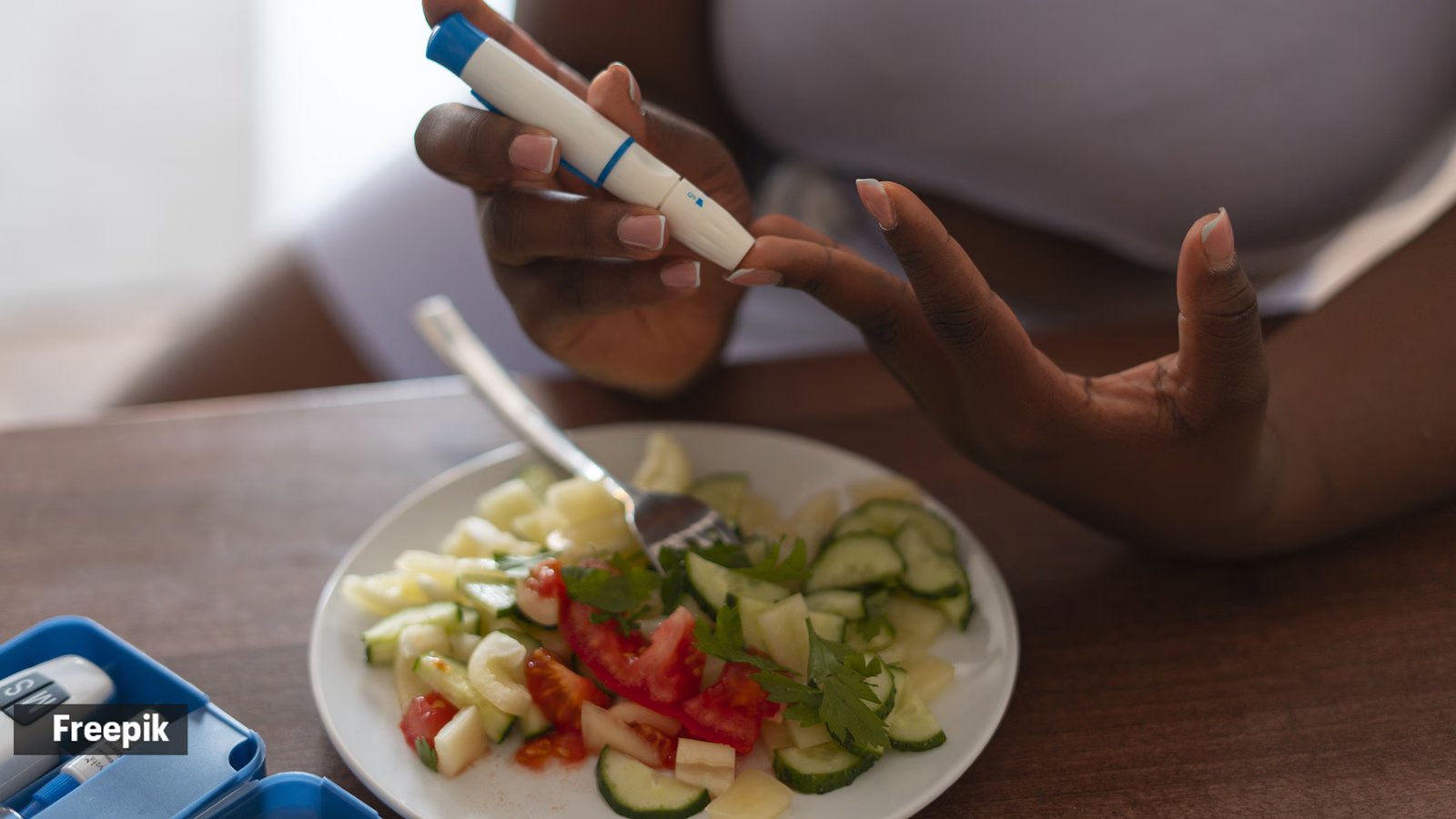
 Here’s what you should consider (Photo: Freepik)
Actionable steps
*Check a true fasting level (after 8 hours without calories) and a 1–2 hour postprandial reading.
*Consider getting an HbA1c test to estimate average glucose over three months.
*Discuss results with your primary care clinician who may recommend lifestyle changes (weight management, healthy diet, regular physical activity) and possibly further testing such as an oral glucose tolerance test or starting medication.
Story continues below this ad
“If you have symptoms (excessive thirst, frequent urination, unexplained weight loss, blurry vision) or very high readings above 180–200 mg/dL, seek medical attention promptly,” said Dr Ullal.
Routine monitoring and timely discussion with your clinician will clarify whether lifestyle changes are sufficient or whether medication is advisable to lower future cardiovascular and microvascular risk.
Also, make your plate more colourful. “Half should be vegetables, one-quarter lean protein, and one-quarter whole grains. Walk for 30 minutes a day, preferably after meals, to help your body use up glucose efficiently. Keep an eye on your waistline even a 5–7 per cent weight loss can bring blood sugar back to normal. Manage stress, sleep at least 7 hours, and stay hydrated,” said Dr Ghody.
DISCLAIMER: This article is based on information from the public domain and/or the experts we spoke to. Always consult your health practitioner before starting any routine.
