



Imagine drinking gallons of water, feeling full beyond measure, and still feeling thirsty. Even as your stomach rumbles and can’t accommodate any more H2O, your relentless thirst keeps pushing you to chug in more. One internet user had a similar experience, leading him to turn to the online forum Quora for answers. So, we reached out to Dr Narendra BS, Lead Consultant – Endocrinology & Diabetology, Aster Whitefield, to get to the root of this unusual condition.
“Unrelenting thirst is a very real issue, and this symptom should definitely be given a proper medical check-up,” Dr Narendra cautions, sharing the first ideas that come to his mind immediately after listening to the case:
High blood glucose due to diabetes: As the body excretes sugar and water in the urine, you stay thirsty
Diabetes insipidus: A hormonal disorder in which the kidneys are unable to concentrate urine, thus one produces large amounts of very diluted urine and remains thirsty
Primary or psychogenic polydipsia: A condition in which the thirst is abnormal; sometimes associated with psychiatric diseases or a change in the brain’s thirst centre’
Some of the less likely causes, as per Dr Narendra, include electrolyte disorders (such as hypercalcemia), certain drugs (diuretics, lithium, some psychiatric meds), or dry mouth conditions that mimic thirst. “In case you are drinking a lot but are still thirsty, and if you happen to urinate frequently, lose weight, or feel very tired, it is about time you visited a doctor,” he advises, explaining that blood and urine tests will most likely give a quick diagnosis.
Could it be diabetes?
“Definitely, blood sugar needs to be monitored without fail,” Dr Narendra tells indianexpress.com, pointing out that polyuria (excessive urination), polydipsia (excessive thirst) and sometimes polyphagia (excessive hunger) are among the primary recognition signs of the earliest stages of uncontrolled blood sugar.
Story continues below this ad
“High blood glucose level causes kidneys to rid the body of sugar via urine, and this process drags water along, making the individual dehydrated and thirsty. Generally, this is the mode through which type 1 diabetes reveals itself, but newly diagnosed or poorly controlled type 2 cases may also be in the same situation,” the endocrine specialist notes. Apart from diabetes mellitus, it can also be a sign of diabetes insipidus (central or nephrogenic), hypercalcemia, and renal failure. ” An unexplainable persistent thirst is a symptom not to be overlooked, but rather be glucose-tested or HbA1c checked right away.”
 Internet users often turn to online forums like Quora to seek medical advice
Warning signs
“If an overly strong thirst accompanies any of the following signs, it is time to see a doctor without delay,” cautions the diabetologist.
- Very frequent urination
- Urination in very large volumes
- Abrupt and unexplained weight loss
- Extreme lack of energy
- Impaired vision
- nausea or vomiting
- Fast or troubled breathing
- Unawareness or losing consciousness
- Very dry mouth
“Symptoms like vomiting, abdominal pain, fruity breath, or becoming unconscious in a person with diabetes can be the indication of diabetic ketoacidosis (a medical emergency) and hence necessitate getting a doctor immediately,” he further notes. In diabetes insipidus, Dr Narendra explains, the danger lies in the progression to severe dehydration and in a very extreme situation, sodium imbalance that can cause “disorientation or seizures”. Thus, a notable change in one’s drinking habit or thirst, accompanied with temperature, bad condition, or fainting symptoms calls for immediate medical attention. “These are the warning signs that transition me from ‘clinic test’ to ‘urgent evaluation and labs.’”
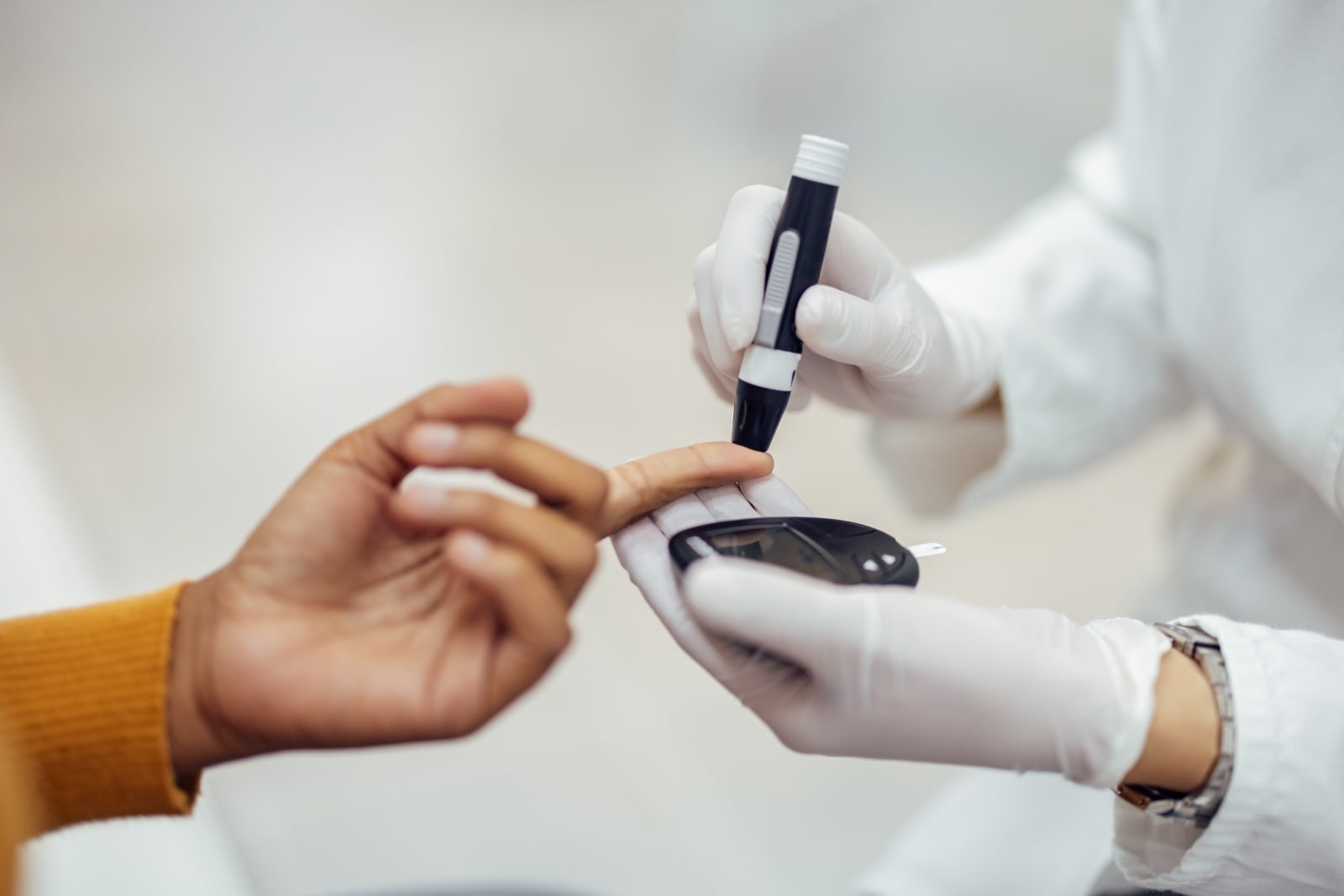 A finger-prick test for diabetes involves using a glucometer, a small needle called a lancet, and a test strip to measure blood glucose at a single point in time
Recommended medical tests
- Start with the easiest measures: a capillary glucose finger-prick and/or a plasma glucose test with HbA1c to screen for diabetes.
- Provide a basic metabolic panel (sodium, potassium, creatinine, calcium) since electrolyte or kidney problems may also cause thirst.
- Urine tests for glucose and specific gravity/osmolality help determine whether the urine is very diluted (suggesting diabetes insipidus or primary polydipsia) or whether glucose is present (indicating diabetes mellitus).
- If urine is very diluted and serum sodium/osmolality is high, formal urine osmolality and a water deprivation test with vasopressin challenge can distinguish central from nephrogenic diabetes insipidus; if normal but thirst persists, consider psychiatric causes or dipsogenic polydipsia.
- Depending on history and medications, assess thyroid function and drugs (lithium, some antipsychotics, diuretics).
- If central causes are suspected (head trauma, headache, visual symptoms), a pituitary MRI may be needed.
“Those are the usual measures in endocrinology to move safely from a symptom to a diagnosis.” Dr Narendra concludes.
