



The festive season often brings late nights, music, and dancing. But what if it could double up as a workout too? Dandiya and garba, traditionally performed during Navratri, are not only a cultural celebration but also a surprisingly effective way to stay active.
The energetic footwork, rhythmic hand movements, and constant twirls can leave you sweating as much as a cardio session at the gym. Unlike monotonous workouts, dancing for hours in a group is fun, social, and keeps you going without realising how many calories you’re burning.
For many people, it feels less like exercise and more like a celebration, which is why it can become an enjoyable way to build stamina and boost mood while staying fit.
But just how beneficial is this festive dance form when it comes to fitness? Can it really contribute to weight loss and overall health if practised regularly? We asked a fitness expert to break it down.
How many calories does an hour of energetic garba or dandiya burn, and how does it stack up against other workouts?
Dr Vajalla Shravani, MPT, fitness and Pilates expert at Tone30 Pilates, tells indianexpress.com, “An hour of energetic garba or dandiya can help an average person burn anywhere between 350 to 600 calories, depending on their body weight, intensity of movement, and consistency of steps.”
She adds that this is comparable to a brisk one-hour Zumba session and only slightly lower than running at a moderate pace. “Because the dance involves continuous footwork and upper body movement, it keeps the heart rate elevated throughout, giving you a calorie burn similar to many structured cardio workouts while feeling much more enjoyable and social,” mentions Dr Shravani.
Dr Jagadish Hiremath, Public Health Intellectual, adds, “From a medical standpoint, the most valuable aspect of garba and dandiya is that they sustain a moderate to vigorous heart rate for a prolonged period. Rather than focusing solely on calorie numbers, what matters is that this intensity improves cardiovascular conditioning and metabolic efficiency. People with lifestyle-related conditions such as early hypertension or borderline diabetes can particularly benefit from this form of rhythmic aerobic activity, provided their doctor has cleared them for moderate exercise.”
Story continues below this ad
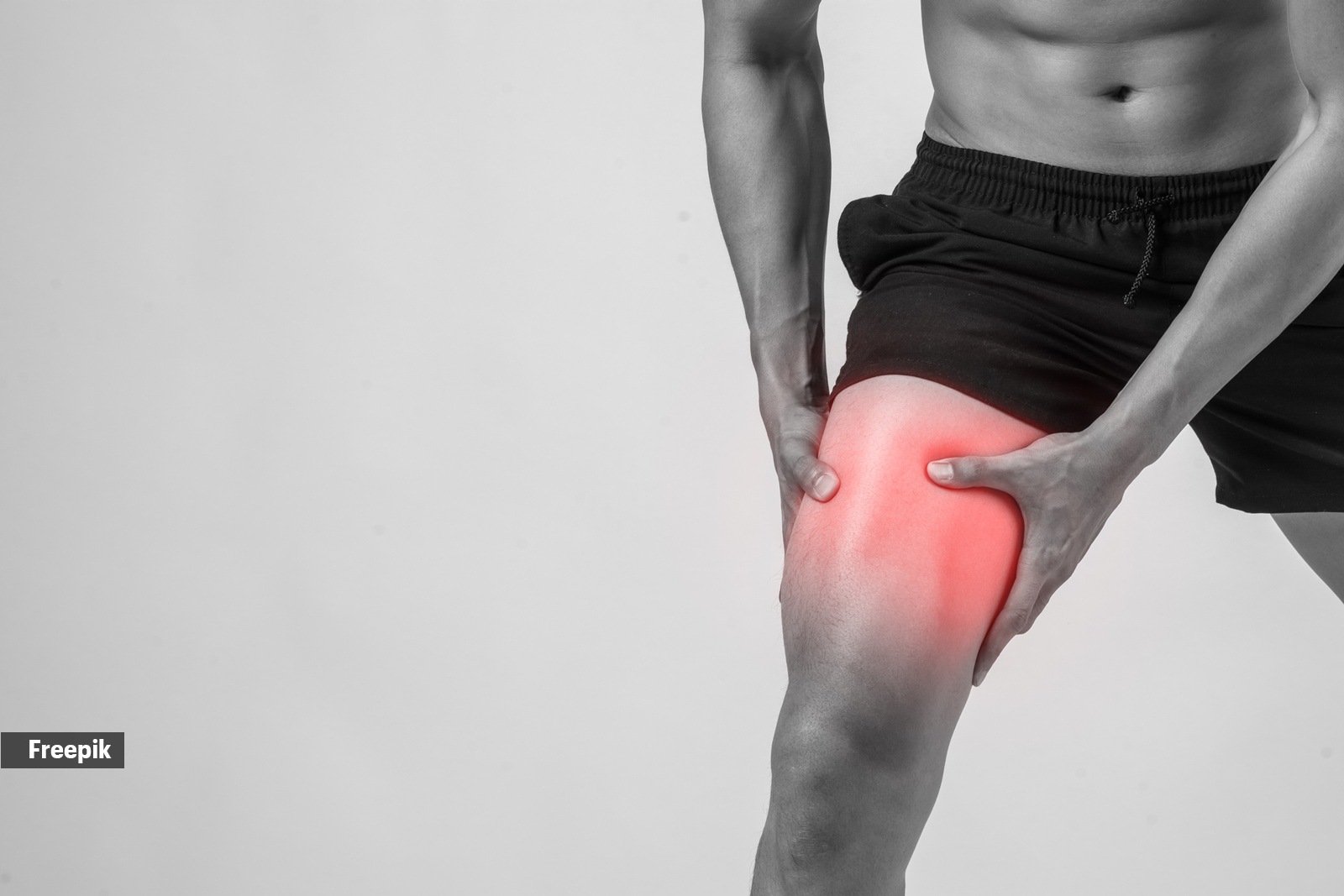 Begin with a short warm-up and stretching routine before each session to loosen the muscles and prevent cramps. (Source: Freepik)
Key benefits of practicing garba regularly
Regular garba practice works as a full-body workout. “The constant rhythmic movement boosts cardiovascular endurance and lung capacity over time. Dancing in a group also enhances mind-body coordination as you stay in sync with music and fellow dancers, which is excellent for neuromuscular fitness,” notes Dr Shravani.
Garba offers a unique blend of aerobic and functional movement that promotes joint mobility and musculoskeletal health, notes Dr Hiremath, adding that the circular patterns and side-to-side footwork engage stabilising muscles around the hips, knees, and ankles, which can enhance balance and reduce risk of falls over time.
Precautions to avoid fatigue, injuries, or strain while still enjoying the festivities
According to Dr Shravani, since Navratri celebrations often mean dancing for several consecutive nights, preparation is important. “Begin with a short warm-up and stretching routine before each session to loosen the muscles and prevent cramps. Wear comfortable, well-supported footwear to reduce strain on the knees and ankles. Stay hydrated and include small breaks to let the heart rate come down between sets.”
Furthermore, Dr Hiremath stresses that those with chronic health issues or recent injuries “should consult a physician before participating, especially if they plan to dance on multiple nights.” Adequate sleep, gradual build-up of activity, and mindful attention to breathing are essential to prevent overexertion. People with heart or lung conditions should monitor for warning signs such as chest discomfort, shortness of breath, or dizziness, and stop immediately if these occur.
Story continues below this ad
DISCLAIMER: This article is based on information from the public domain and/or the experts we spoke to. Always consult your health practitioner before starting any routine.
