


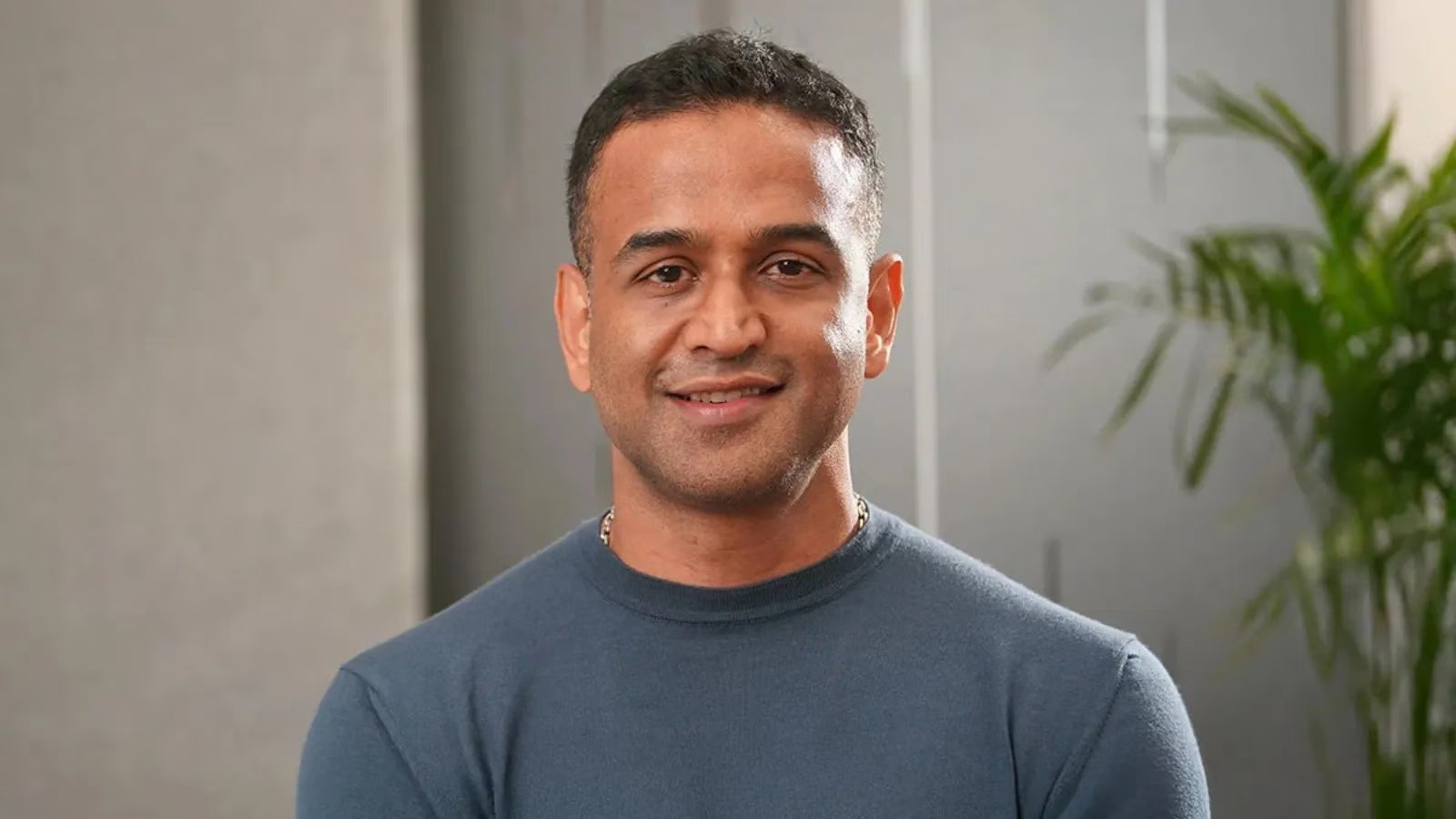
Nithin Kamath, who suffered a stroke in January 2024, recently recalled the one mistake he made when he experienced the health scare. “If there’s one thing I wish I had done differently when I was hit by a stroke last January, it would be to go to the hospital immediately, within the Golden Hour (<4.5 hours), instead of thinking I could just sleep it off,” the Zerodha CEO, 46, wrote on X.
According to him, this “nothing will happen to me” attitude is common, especially among those under 50. “But the truth is, strokes are rising sharply, up to nearly 30 per cent of all strokes in the last few years, among 30 to 50-year-olds. When it comes to strokes, time is brain; every minute counts,” he added on the occasion of World Stroke Day.
Recall that Kamath had first revealed details in February 2024, sharing in a post on Instagram that a mini stroke happened “out of the blue”, which he attributed to factors such as stress, poor sleep, dehydration, and over-exercising, after losing his father.
Taking a cue from his admission, let’s understand why it is necessary to seek emergency care.
 Nithin Kamath on the mistake he committed (Photo: Nithin Kamath/X)
The first 4.5 hours after a stroke are often called the “golden window” because timely treatment during this period can save brain cells and prevent long-term disability, experts note.
A stroke occurs when blood flow to the brain is blocked (ischemic stroke) or a blood vessel bursts (hemorrhagic stroke). “In an ischemic stroke, doctors can give a clot-busting medicine called tPA (tissue plasminogen activator) within 4.5 hours to dissolve the clot and restore blood flow. If treatment is delayed beyond this window, brain cells begin to die rapidly, leading to irreversible damage, paralysis, speech problems, or even death,” said Dr Nitin Dange, head of department and director, interventional neurology, stroke care and neurosurgery, Gleneagles Hospital Parel, Mumbai.
Simply put, acting quickly can mean the difference between full recovery and lasting disability.
Story continues below this ad
Golden window period for large stroke (large vessel occlusion) is up to 24 hours where doctors do “mechanical thrombectomy”. “Every minute counts,” Dr Dange stressed.
Symptoms and what to do
Early recognition of stroke symptoms, such as face drooping, arm weakness, and speech difficulty and rushing the patient to a stroke-ready hospital can make a life-saving difference and prevent disability.
Stroke symptoms appear suddenly and are easy to miss if you’re unaware. Remember the acronym BE FAST:
Balance – Sudden loss of balance or coordination
Eyes – Blurred or double vision
Face – Drooping on one side of the face
Arms – Weakness or numbness in one arm
Speech – Slurred or incoherent speech
Time –Rush to the nearest hospital immediately
Even if the symptoms appear to pass after a few minutes, don’t disregard them; it may be a transient ischemic attack (mini-stroke) and an advance warning of something more serious, said Dr Prashant Makhija, consultant neurologist, Wockhardt Hospitals, Mumbai Central.
Story continues below this ad
“Acting fast not only improves survival but also increases the chances of full recovery and independent living after a stroke. Timely intervention is imperative for stroke patients,” said Dr Dange.
Dr P Vijaya, senior neurologist and President, Indian Stroke Association, stated in a media statement that in India, every minute, three people suffer a stroke. “One in four will get a stroke during a lifetime. Every year, minimum, 15 million people worldwide suffer a stroke. Out of this, 6 million die, 5 million suffer permanent disability, and only the rest of the 40 per cent survive with reasonable function,” said Dr Vijaya.
Why are strokes increasing among younger adults today?
Lifestyle causes such as unmanaged blood pressure, diabetes, smoking, heavy drinking, stress, and physical inactivity are chief culprits, emphasised Dr Makhija. “Most young people also ignore warning signs or put off seeking help, believing stroke is an ‘old person’s disease’. The fact is it’s now striking people in their 30s and 40s, and prompt intervention is still the best defense,” said Dr Makhija.
 A stroke can happen anytime (Photo: Freepik)
Dr Vijaya pointed out that on average, at least 18 lakh individuals are affected by stroke every year. “Alarmingly, nearly one-fourth of these cases occur in people below 40-45, highlighting a serious concern about the loss of productive years and the resulting financial, economic, and social burden on families and the nation,” said Dr Vijaya.
Story continues below this ad
Up to 80 per cent of strokes are preventable, and early treatment can make a big difference, she added.
DISCLAIMER: This article is based on information from the public domain and/or the experts we spoke to. Always consult your health practitioner before starting any routine.
